
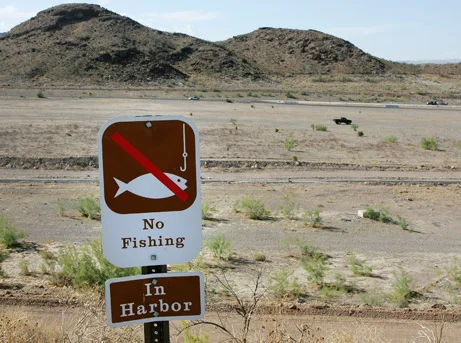
BIG PICTURE: Dam! We're thirsty and the glass is half empty
As drought becomes the norm in the American southwest what becomes of our infrastructure?
Ten years ago the place where we gathered was an unpeopled, forbidding desert. In the bottom of the gloomy canyon whose precipitous walls rose to height of more than a thousand feet, flowed a turbulent, dangerous river… The site of Boulder City was a cactus-covered waste. And the transformation wrought here in these years is a twentieth century marvel.
-Franklin Delano Roosevelt at the dedication of the Boulder (Hoover Dam), September 30, 1935
As a child growing up in Los Angeles, I was accustomed to forever-green lawns, golf courses, swimming pool (all products of an invisible abundance of water) and very little rain. I didn’t really understand that this, in itself was a complete paradox until I ventured to the other and damper side of the country. College plunged me into “weather” and I became fascinated and since obsessed with Southern California and most of the arid Southwest’s parasitic relationship with water. Fast forward X number of years and since we’ve returned to Southern California it has rained maybe 2 times ( I am not counting “mist”) in the past 12 months. This is scary and not because of the many unsightly brown lawns dotting affluent Los Angeles neighborhoods, but because we rely so heavily on water for other, more important things like food and yes even that almond milk latte you just ordered (10 % of California’s water goes into almond farming!)
In order to comprehend how we got here we have to really understand that we (Los Angeles and most large cities in the American Southwest) shouldn’t really be here in the first place. And how did a sprawling county (L.A.) of 10+ million people grow to exist in a semi-arid climate with an average of 18 inches of rain a year (i.e. not a lot)? Yes, William Mulholland and something like the story that Jack Nicholson plays out in Chinatown. But perhaps more importantly, the U.S. government and the Army Corps of Engineers built dams and a lot of them well into the later half of the 20th century. The biggest of these dams was one of the first to be built.
The Boulder Dam (now the Hoover Dam) was opened in 1936 to great fanfare. At 60 stories tall and composed of enough concrete to pave a road from San Francisco to New York City** it was and continues to be a marvel of engineering. Its base measures the length of two football fields and it holds back a lot if water - enough to form the largest manmade lake in the country when full (which it hasn’t been for awhile). The Dam and its offspring Lake Mead are physical symbols of “human progress” and mastery of nature over the previously volatile Colorado River. Lake Mead alone supplies 90% of Las Vegas’s water supply and much of the American Southwest’s water. It took a huge intervention like this to allow for population growth in a place which was previously “an unpeopled, forbidding desert”.
Fast forward to present day and we are clearly facing a climate-change driven water supply crisis. Lake Mead water levels are at record-lows and the waters don’t seem to be rising anytime soon. We need to rethink our relationship with water not only on the one-to-one scale but also at the scale of regional infrastructure. This way of collecting and distributing water is no longer working. Additonally, the lifestyle which it supports (one of golf courses, swimming pools, and year-round strawberries) needs to be re-evaluated. This premise forms the basis for our research project “Desert Flux”. Here, we re-imagine the resort as an entity which celebrates and responds to ecological shifts as opposed to trying to maintain an insular environment which is so heavily reliant upon a constant supply of water.
How will we shift to accommodate our increasingly extreme climates? Will our lifestyle and infrastructure evolve and if so how can we design for these changes?
*thumbnail image source: National Geographic - Lake Mead
SHELF LIFE: What's on our walls
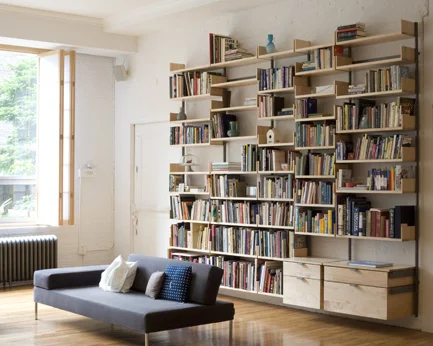
Whether or not you think that actual books are becoming relics of a pre-digital era (it should be said - we still like flipping through paper) books make the best wall-candy. And there are so many ways of architecturally integrating bookshelves into living spaces.
You don't necessarily want the vessel which displays these beautiful items to detract from the books themselves. There are many options for bookshelves and they usually fall into two categories: built-ins and free standing shelves. Free standing shelves can be a nightmare for new parents and/or anyone in Los Angeles or earthquake prone areas. Built-ins can be lovely but don't provide the flexibility inherent to free-standing shelves. So is there be a happy medium? The answer is yes. The answer is Atlas Industries.
We love Atlas shelves. The AS4 Modular system they provide is a wall-mounted, modular product which integrates shelves and drawers to your liking. You can pick from their standard finishes of white oak, maple or walnut. In our project in the pre-war 14 Sutton Place South (NYC), we used the walnut finish and in Tuxedo Park we customized them to be white lacquer to fit in with the predominately white living room interior. These shelves are elegant and simple yet they have a crafted, warm character to them. The best part? You can take them with you when you move. We know because we have relocated our walnut shelves three times and have reconfigured them to different room sizes.
So check out our little literary secret: http://www.atlaseast.com/
OPEN & CLOSE : Windows
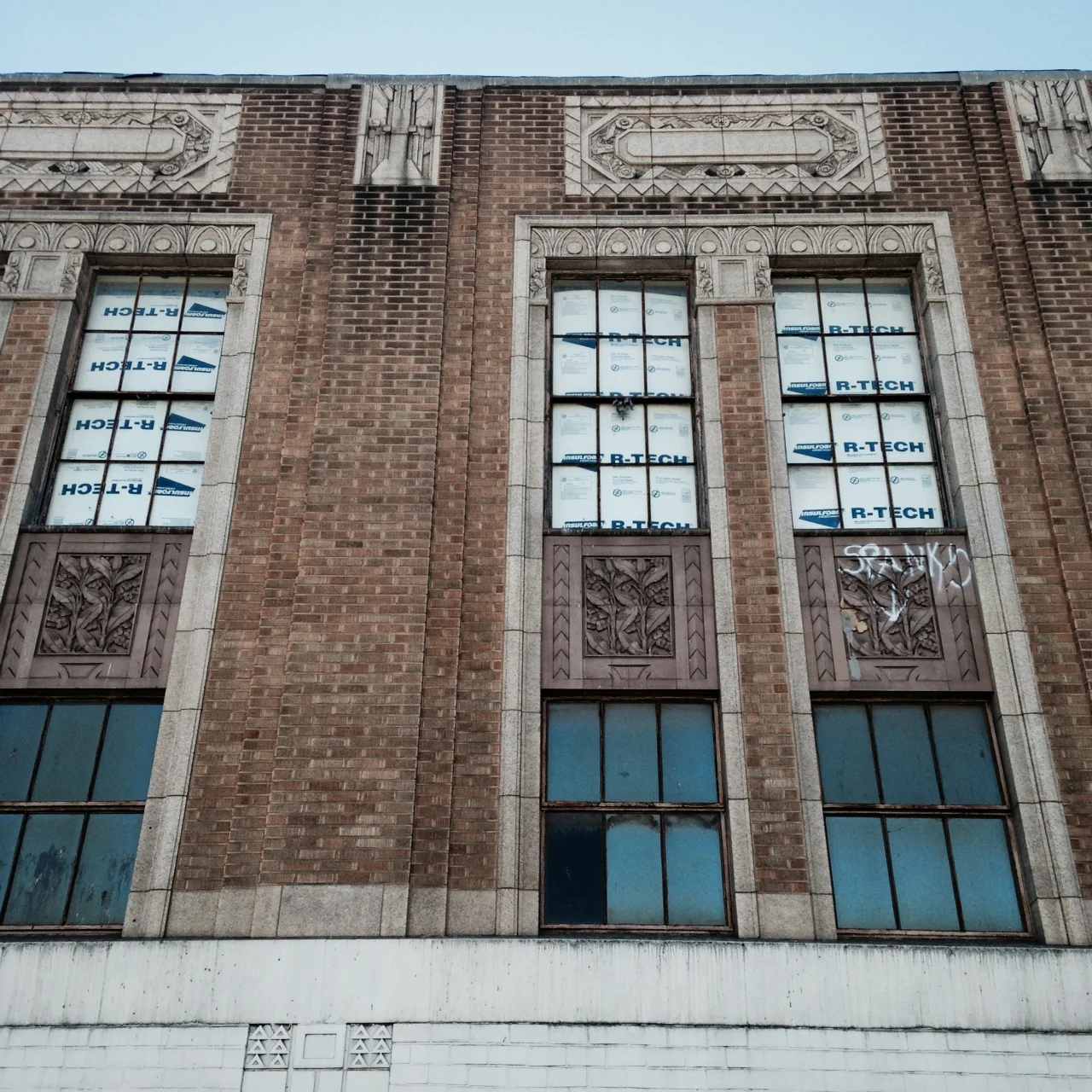
Windows are a big deal. For our current project in Hollywood, windows cost roughly twenty dollars a square foot. That's twenty percent of the per square foot renovation cost, more than almost any building trade. In California, Title 24 energy standards have made new window installations require nationally certified brands, which eliminates the possibility of using less expensive local providers.
While the cost of high-quality, energy-efficient windows creates a challenge in terms of budget, it also speaks to the impact of good windows on the design of a project. Not only do the best windows look great, they perform great too. In our project on Patterson Brook Road, winter maintenance bills are less than half those of comparably-sized homes with older windows and insulation. Fuel costs can only go up.
Even in Los Angeles, where windows often stay open throughout the year, we feel that buying the best quality windows is an investment worth making. As temperatures climb and the need for central air conditioning becomes universal, tight building envelopes will downsize HVAC systems and improve indoor air quality. Low-E coatings and gas infill will reduce solar gain and allow for bright interiors without amplifying heat loads. Larger glazed openings will increase occupant comfort without compromising thermal performance.
Who knows, windows might just save the world.
IN THE SHADE: Canopy Breaks
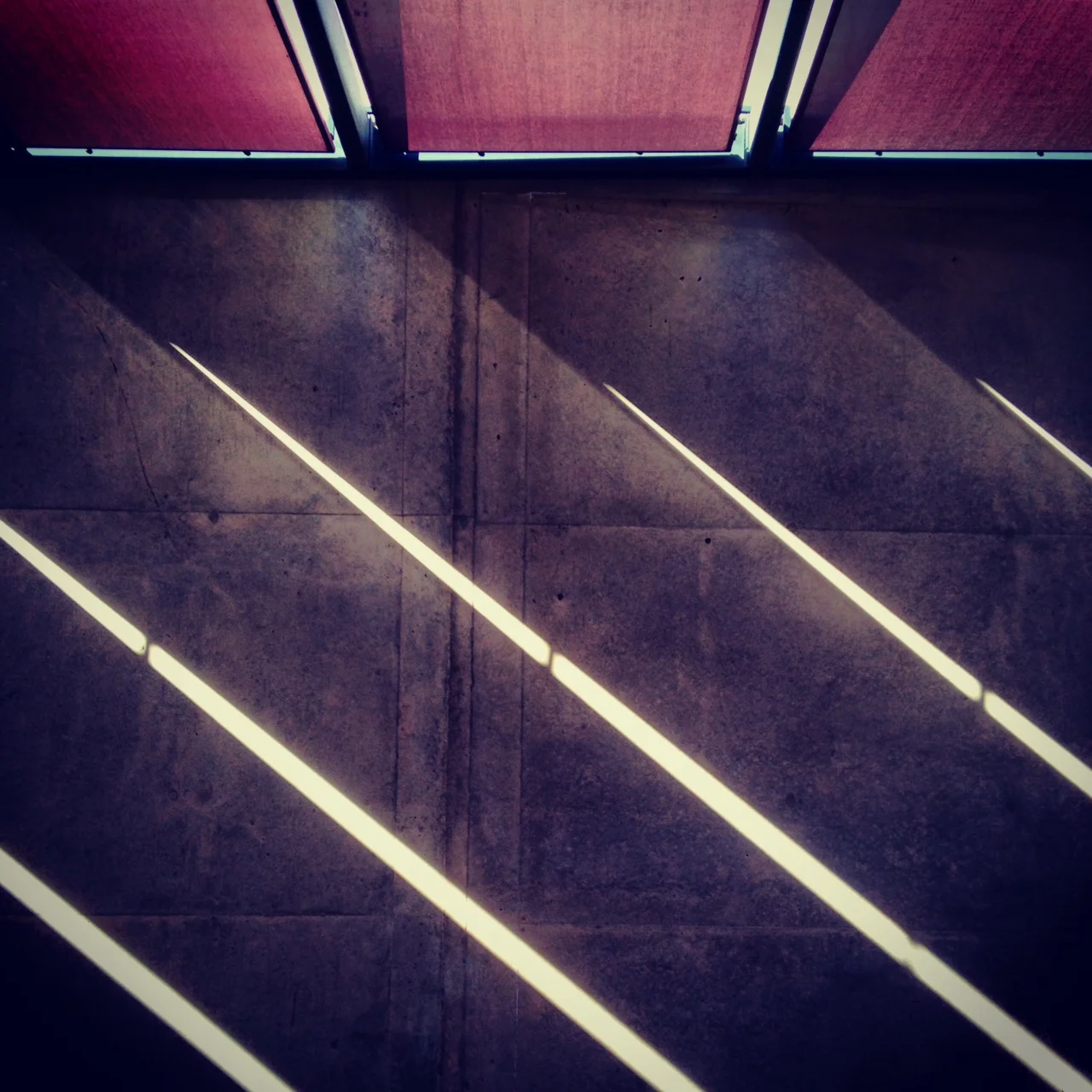
Been thinking of shading devices for our sunny backyard in Hollywood. Here's a throwback to a very successful example at one of our favorite desert hotels. The red of the canopy (hard to see in thumbnail) adds a beautiful wash to the exposed concrete walls. One of the only color elements in the entire building palette. Could work!
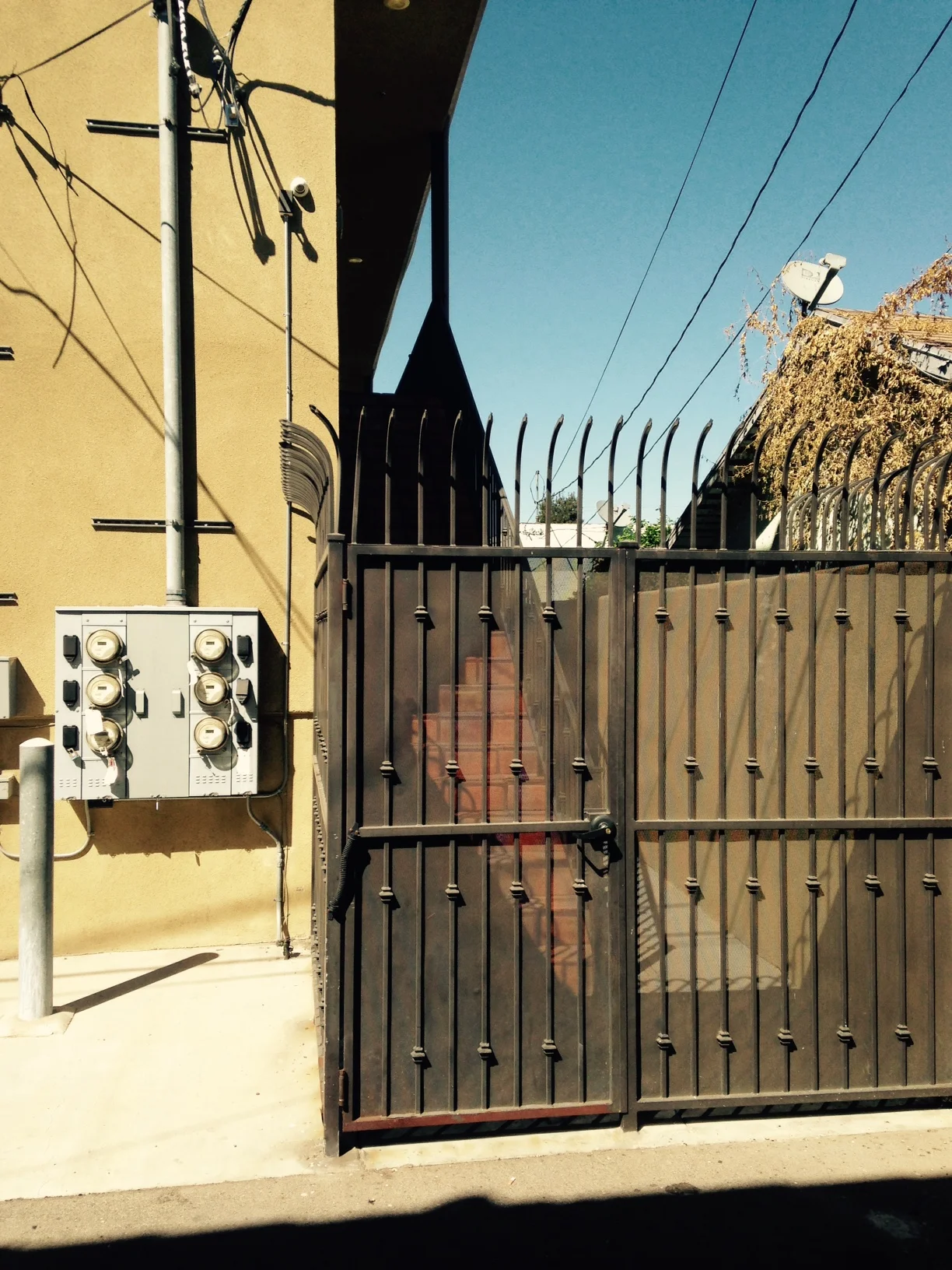
BOUNDARIES: Gate Design
An example of one of the new buildings on our alley in Hollywood. What we like about this gate is that it's effective. What we don't like is just about everything else.
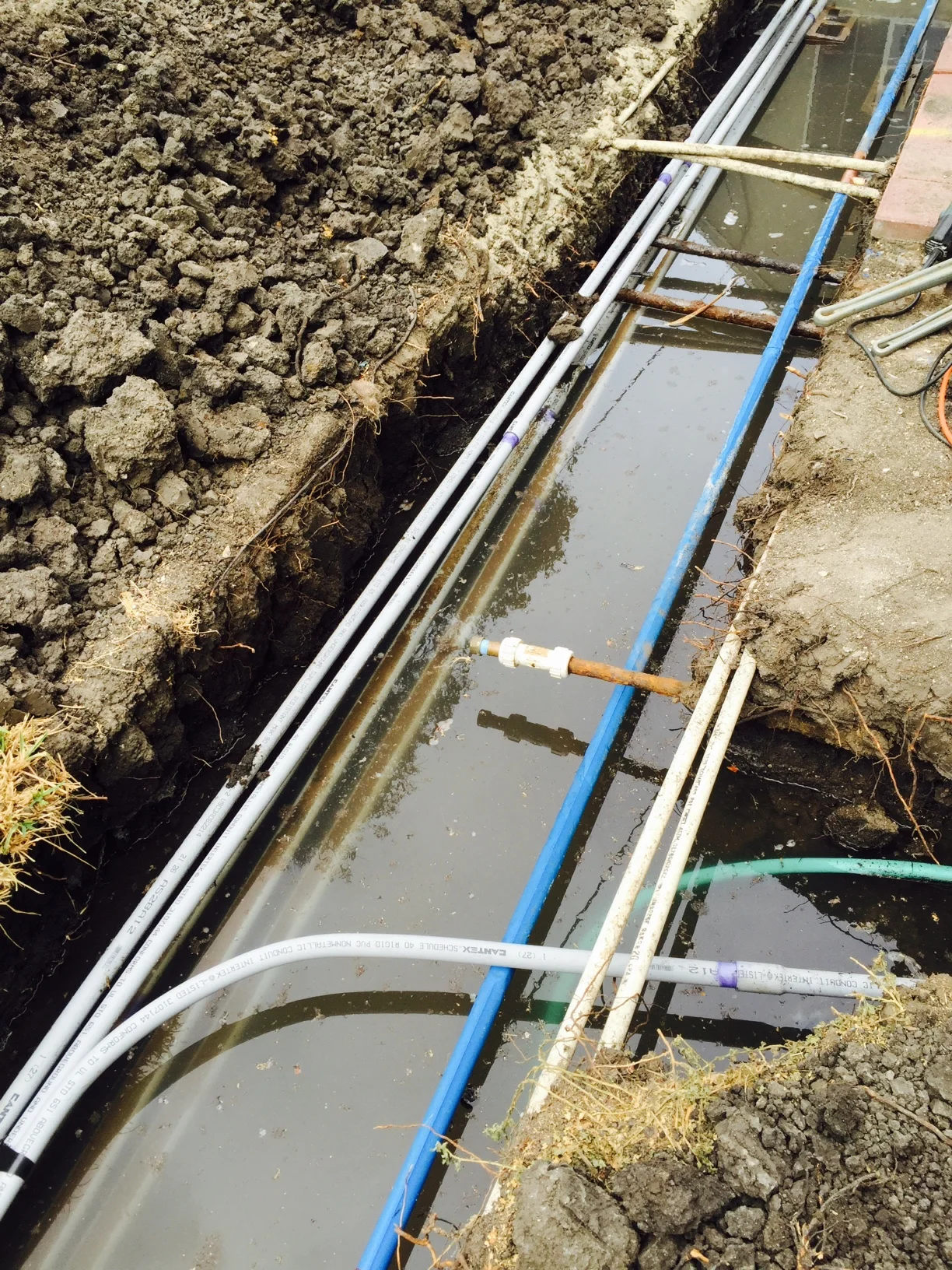
H20: Trenching
Here's any image of our back yard in Hollywood. We're upgrading the site power to 600AMP and plumbing service from 3/4" to 1-1/2" for all the units. Something (or someone) bumped into the exposed coupling one night last week. Should be an expensive water bill!
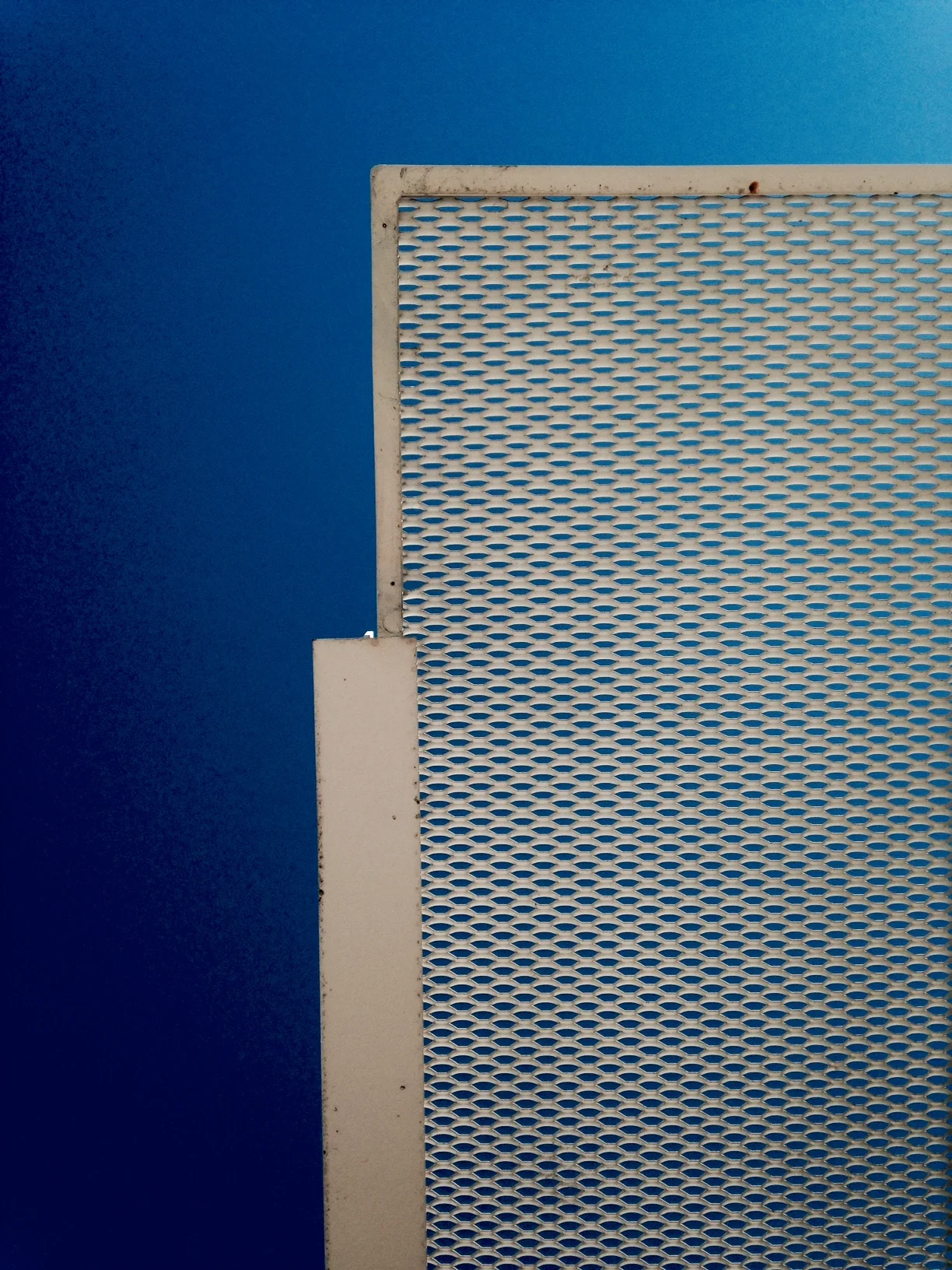
MATERIALS: Perforated Metal
Trying to come up with a gate covering material that's contemporary and graffiti resistant for our project in Hollywood. Came across this example at LACMA today. Anyone got a good example?